What does personal color analysis do?
Personal color analysis is a styling approach that compares how clothing colors look alongside your complexion, hair, and eyes. You may also see it called seasonal color analysis. In Spanish, colorimetría personal is the usual term. It is a way to explore preferences, not a requirement to sort yourself into a fixed category.
A palette becomes useful when it helps you put together clothes you want to wear. If a supposedly ideal shade feels unlike you, keep experimenting. Your setting, the fabric, and what you pair it with also matter to the finished outfit.
Separate three decisions instead of asking “does blue suit me?”
Hue names the color family; value describes how light or dark it is; intensity describes how vivid or muted it appears. Warm and cool are another comparison you can make within color families. NMSU’s Guide to Color explains this vocabulary.
For a wardrobe experiment, place a pale blue shirt beside a navy one. Then compare a dusty blue with a clearer blue of similar lightness. Changing one feature at a time makes your own preference easier to describe than comparing two completely different outfits.
Try a comparison using clothes you already own
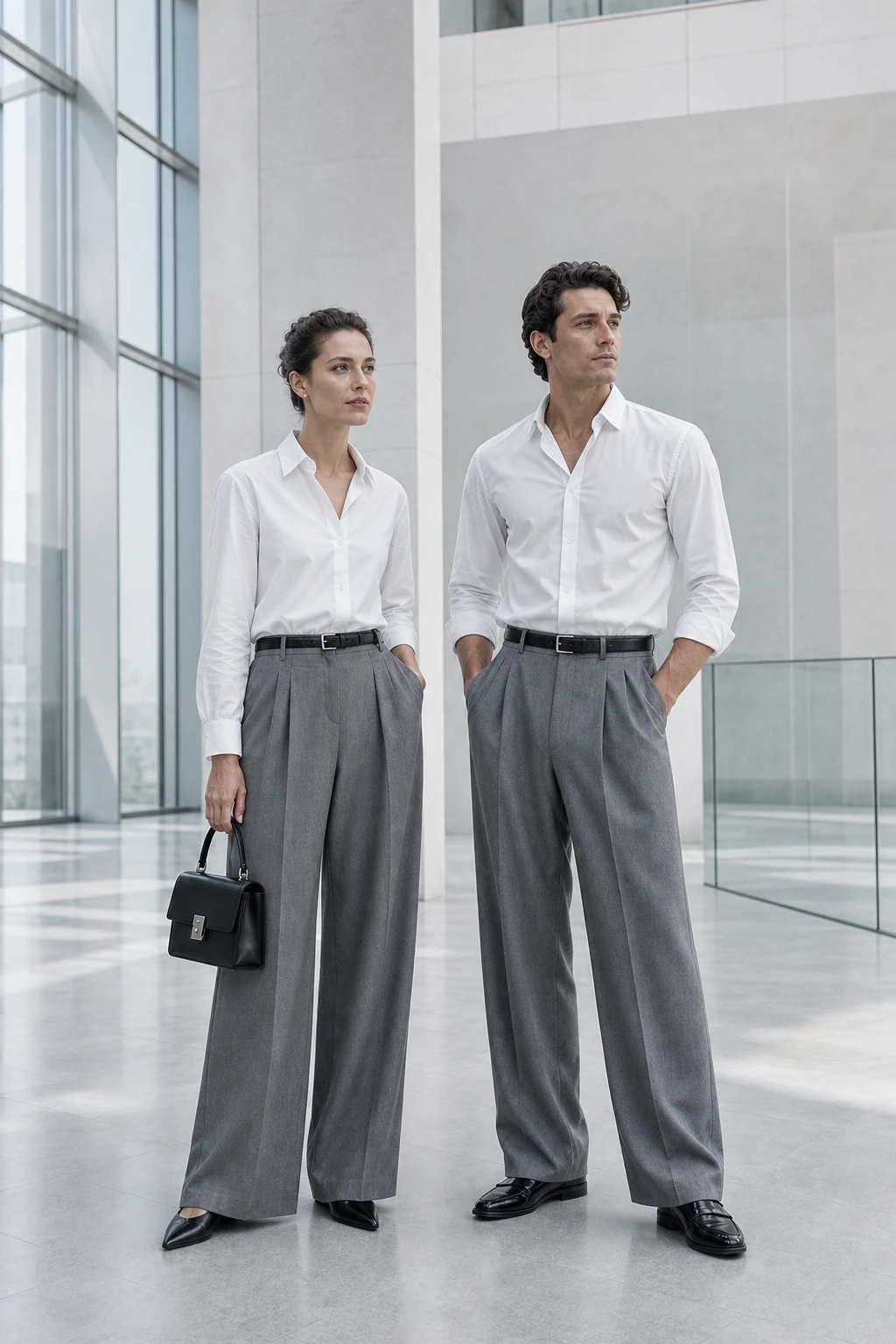
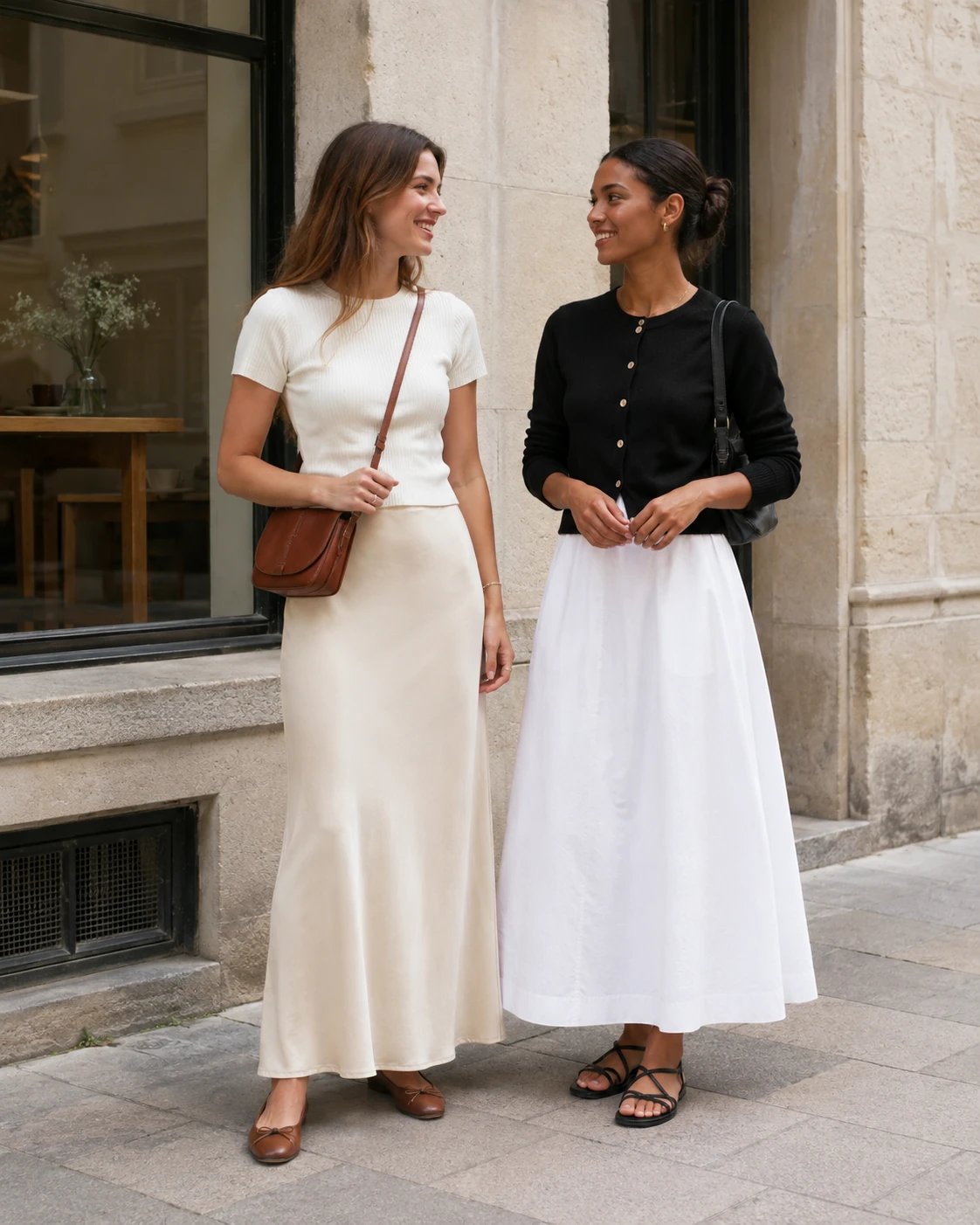
Choose a spot with consistent, indirect daylight. Keep the mirror, background, and your position the same. Hold two tops or scarves near your face, one after the other. Begin with cream and white, then try two versions of a color you like.
Ask a concrete question: which would I choose for the outfit I want today? Look at the overall combination rather than searching for a flaw in your skin. A phone photo can help you remember the options, but automatic exposure and white balance can change their appearance.
- Compare only two pieces at a time.
- Repeat the comparison on another day before making a shopping decision.
- Record the colors you reach for in real outfits, not just in the mirror.
Turn one preferred color into a complete outfit
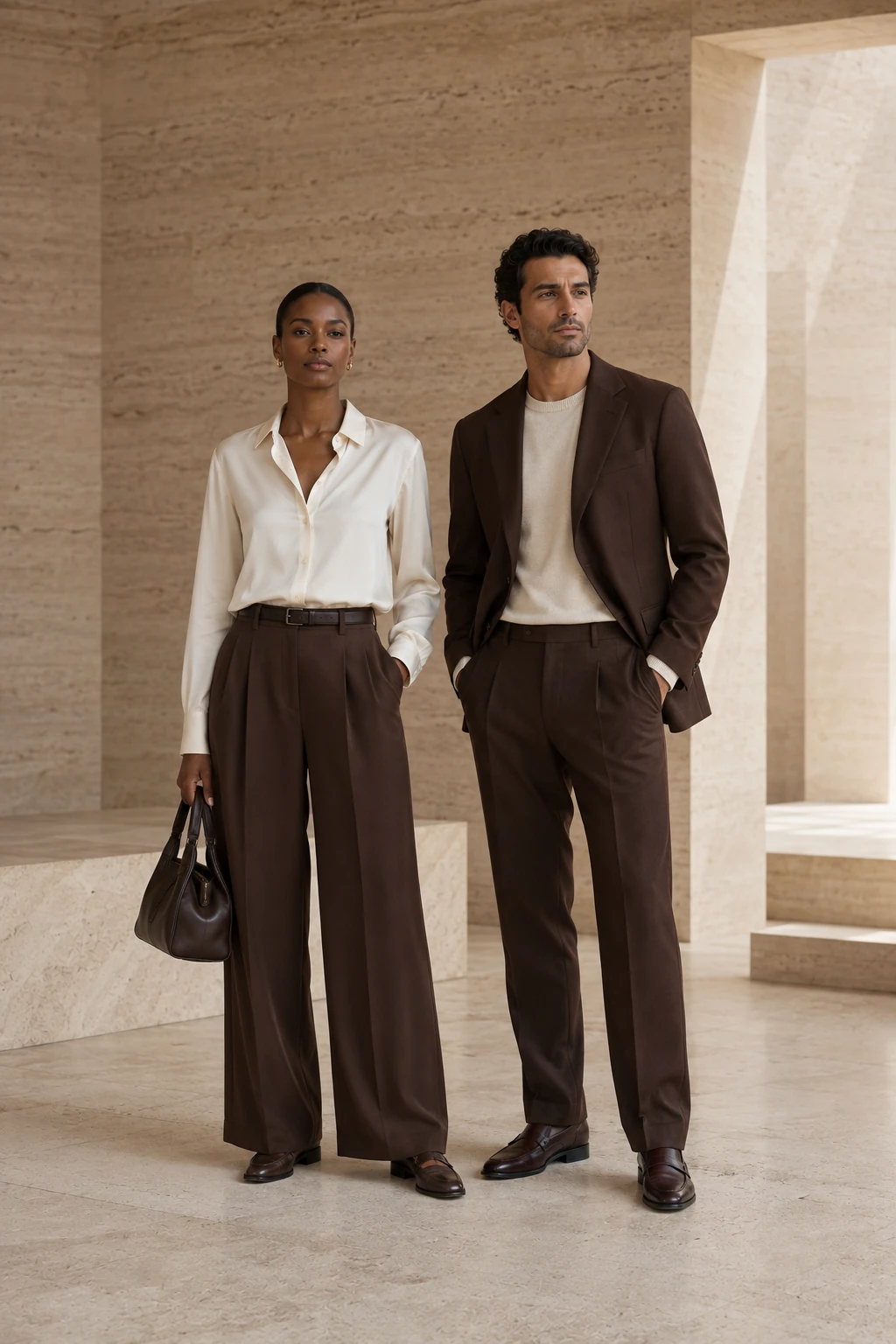
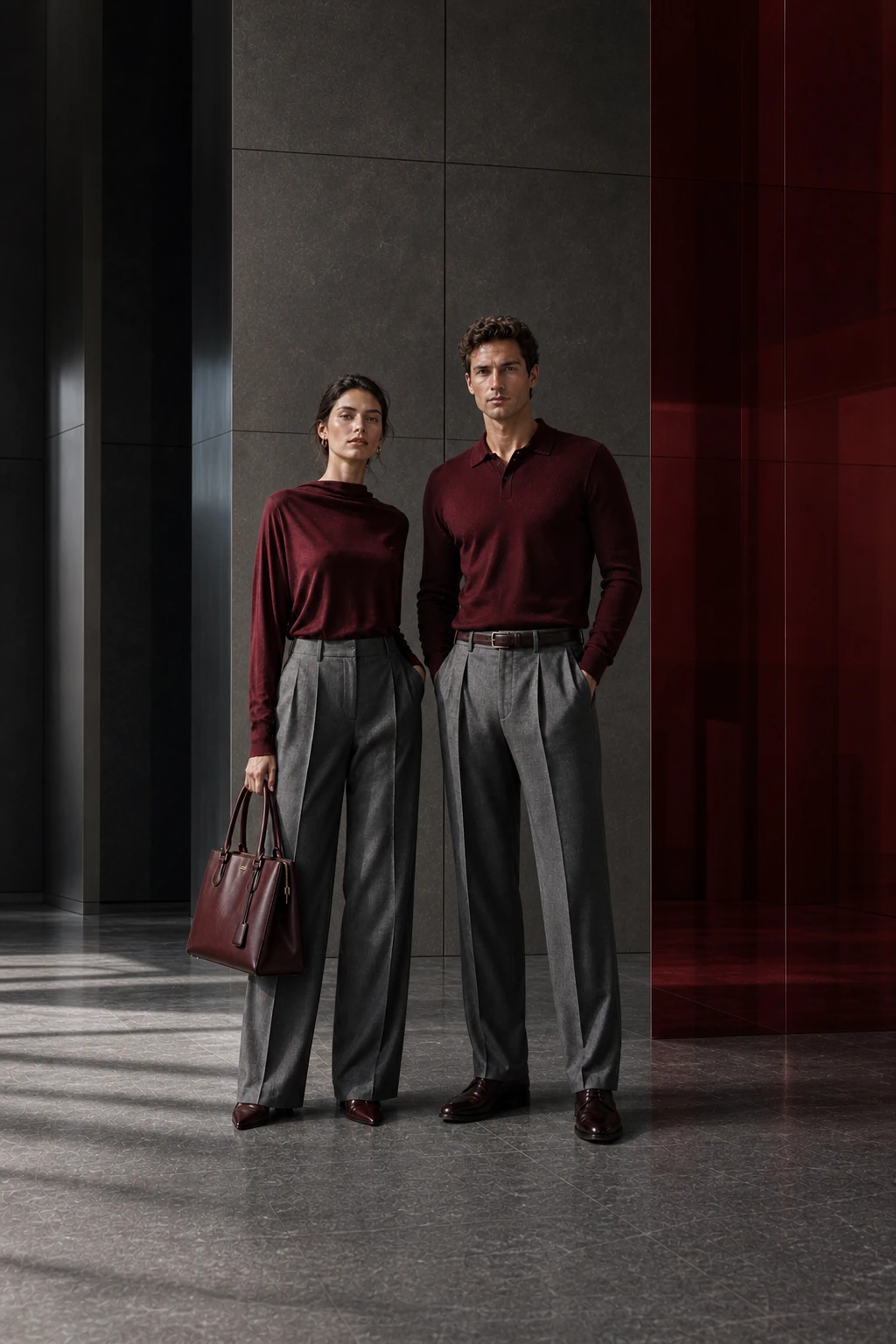
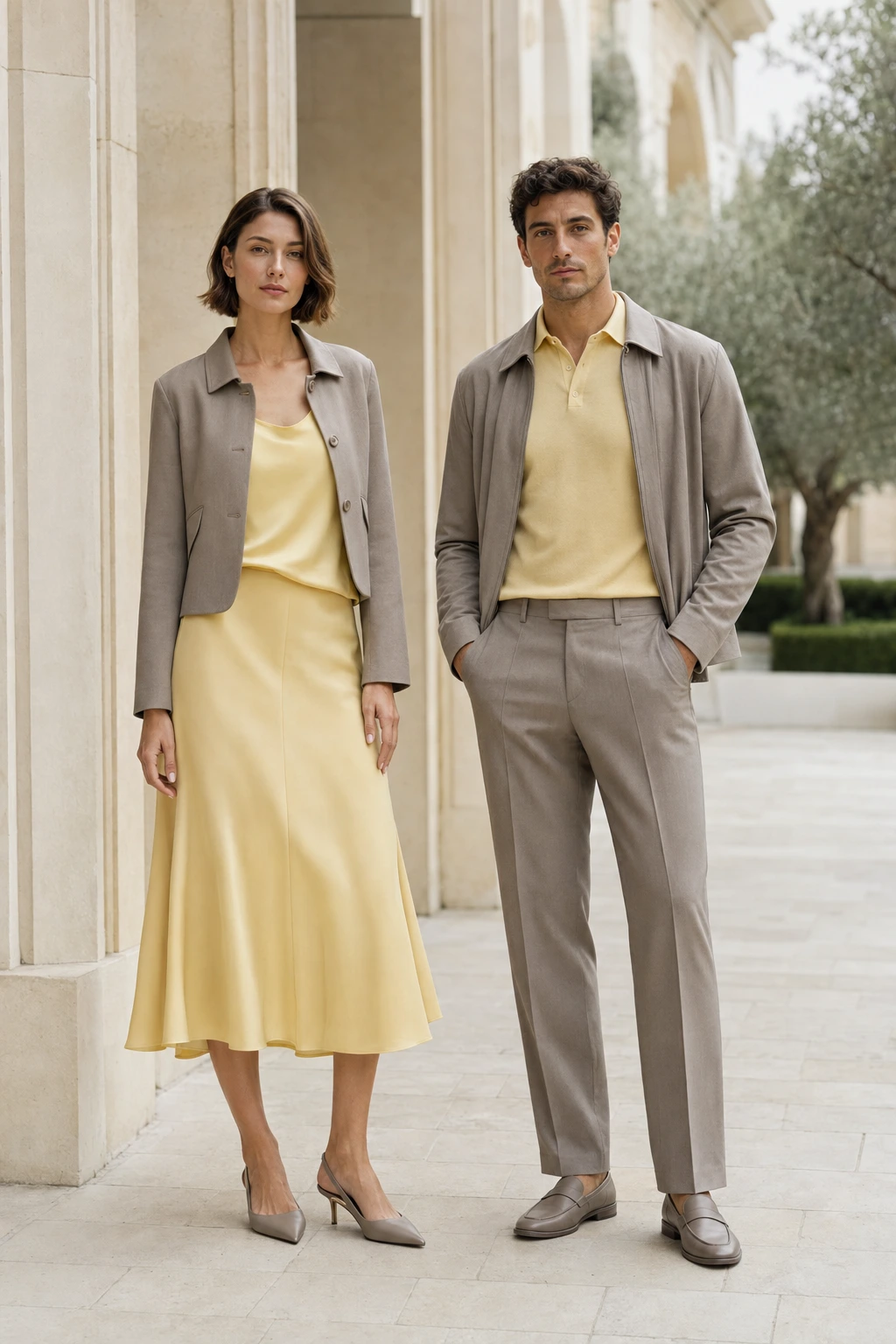
Choose the garment that will carry most of the color. Pair a butter-yellow knit with cool-taupe trousers for a gentle contrast, or a cream top with chocolate trousers for more separation between light and dark. Repeat a supporting color in your shoes or jacket.
If you love a color but dislike it directly under your face, try it in trousers, a skirt, or a bag. That is a placement choice, not a reason to remove the color from your wardrobe.
Do I need to know my season before buying clothes?
No. Start with two combinations you already enjoy and identify the pieces that would make them more useful. A seasonal system can be a reference later, but a label alone does not tell you whether a garment fits, feels comfortable, or works for your week.
For your next outfit, pick one preferred color, one supporting color, and one familiar silhouette. Wear it for a normal day. That small trial gives you more practical information than replacing an entire wardrobe at once.